
Wastewater sampling methods
Understanding wastewater sampling methods for accurate monitoring
Selecting the right wastewater sampling method is one of the most important decisions in any monitoring programme. The quality of laboratory analysis depends entirely on the quality and representativeness of the collected sample. Even the most advanced analytical equipment cannot compensate for poor sampling techniques.
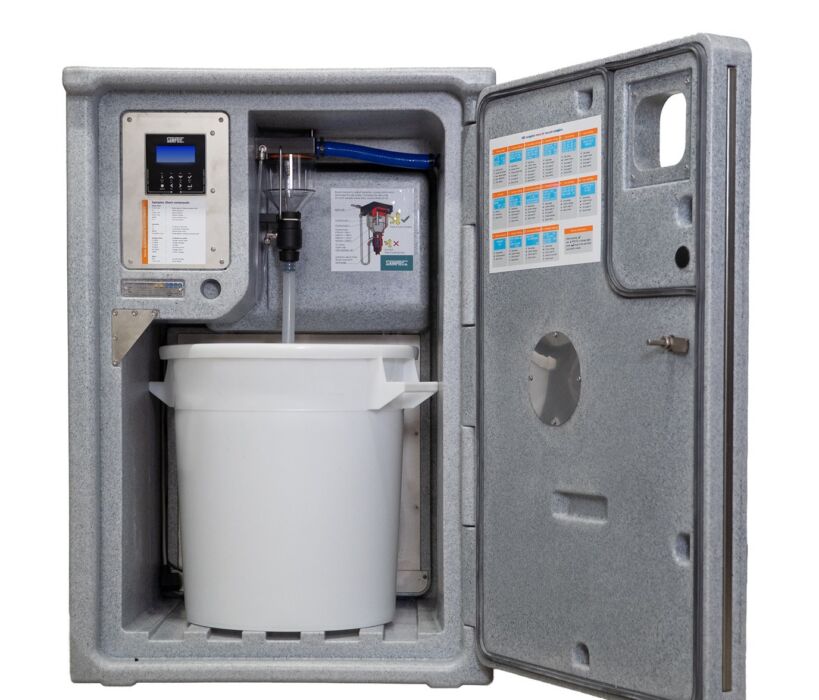
TEC42 develops advanced wastewater sampling solutions that support a wide range of sampling methods for industrial facilities, municipalities and water authorities.
Why choosing the right method matters
Wastewater is rarely constant. Flow rates, pollutant concentrations and production processes often change throughout the day. A sampling method that works well for one application may not provide reliable results in another. Choosing the correct sampling method helps organisations:
- Obtain representative laboratory samples
- Improve monitoring accuracy
- Meet environmental regulations
- Optimise wastewater treatment processes
Grab sampling
Grab sampling is the simplest wastewater sampling method. A single sample is collected manually at a specific moment in time and analysed in the laboratory. This method is suitable when immediate water quality information is required or when regulations specifically request a spot sample.
Although grab sampling is simple and inexpensive, it has limitations. Wastewater conditions can change rapidly, meaning that one sample may not accurately represent the average wastewater quality over an entire day. Grab sampling is therefore generally used for routine inspections, troubleshooting or occasional verification rather than continuous monitoring programmes.
Composite sampling
Composite sampling is one of the most widely used wastewater sampling methods. Instead of collecting one sample, multiple small samples are automatically collected over a defined period and combined into a single representative sample. It provides a much more accurate picture of wastewater quality because it reflects changes that occur throughout the monitoring period. This method is commonly used for:
- Environmental compliance
- Industrial wastewater monitoring
- Municipal wastewater treatment
- Laboratory analysis
Time-based and flow-proportional sampling
With time-based sampling, wastewater samples are collected automatically at fixed intervals, such as every fifteen minutes or every hour. This method is suitable when wastewater flow remains relatively stable, and offers simple programme configuration, consistent sampling intervals and reliable long-term monitoring.
Flow-proportional sampling is considered one of the most representative methods. The sampling frequency automatically adjusts to the wastewater flow: higher flow results in more frequent sampling. This ensures the final composite sample accurately represents the total discharge, even when flow varies significantly. It is particularly valuable for:
- Variable production processes
- Municipal sewer systems
- Wastewater treatment plants
- Environmental compliance monitoring
Automatic wastewater sampling
Modern monitoring programmes increasingly rely on automatic wastewater sampling. Automated systems eliminate many of the inconsistencies associated with manual sampling while improving safety and reducing labour requirements. Automatic samplers can perform multiple sampling methods within a single system, including time-based, flow-proportional and composite sampling. Benefits include:
- Consistent sample collection
- Reduced human error
- Improved laboratory accuracy
- Lower operational costs
Why choose TEC42?
Choosing the best sampling method
There is no universal sampling method suitable for every wastewater application. Selecting the best solution depends on wastewater characteristics, regulatory requirements, monitoring objectives and operational conditions.
TEC42 works closely with customers to evaluate their monitoring requirements and recommend the most appropriate sampling strategy. Our advanced systems support virtually every modern wastewater sampling method while providing reliable operation under demanding conditions.
Not sure which method fits?
Request a quote
Fill in the form and we will advise you on the most suitable sampling method for your application.